Ask any lawn care professional and they will tell you the same thing: fall is the most important season for lawn health in North Carolina. What you do in September, October, and November directly determines how your lawn looks next spring and summer. The right fall program builds deep roots, fills in thin turf, and sets up your lawn to green up early and strong. Here is what to do, by grass type, across Central NC.
For Fescue Lawns (Cool-Season)
Fall is prime time for Fescue. Cool nights, warm soil, and reliable moisture create ideal growing conditions.
Aerate and overseed (September–October). Core aeration followed by overseeding is the single best thing you can do for a Fescue lawn. Relieving compaction, getting seed-to-soil contact, and hitting the ideal temperature window together produce dramatic thickening. Central NC's clay soils compact hard, so this step matters even more here.
Fertilize (September–November). Fescue should get its heaviest fertilization in fall — typically 2 to 3 applications to build root reserves for winter and fuel early spring green-up.
Keep mowing at 3.5–4 inches. Do not let the lawn get shaggy going into winter, which invites disease.
For Bermuda and Zoysia Lawns (Warm-Season)
Fall care for warm-season grasses is about preparing for a healthy dormancy.
Final fertilization (early September). Apply the last feeding in early September to build root carbohydrate reserves. Avoid nitrogen after about October 1 — late nitrogen delays dormancy and increases freeze vulnerability.
Lower the mowing height gradually through October to reduce thatch and disease going into dormancy.
Apply a fall pre-emergent (October) to stop winter annual weeds like Poa annua from establishing in the dormant turf.
Universal Fall Tasks
Regardless of grass type:
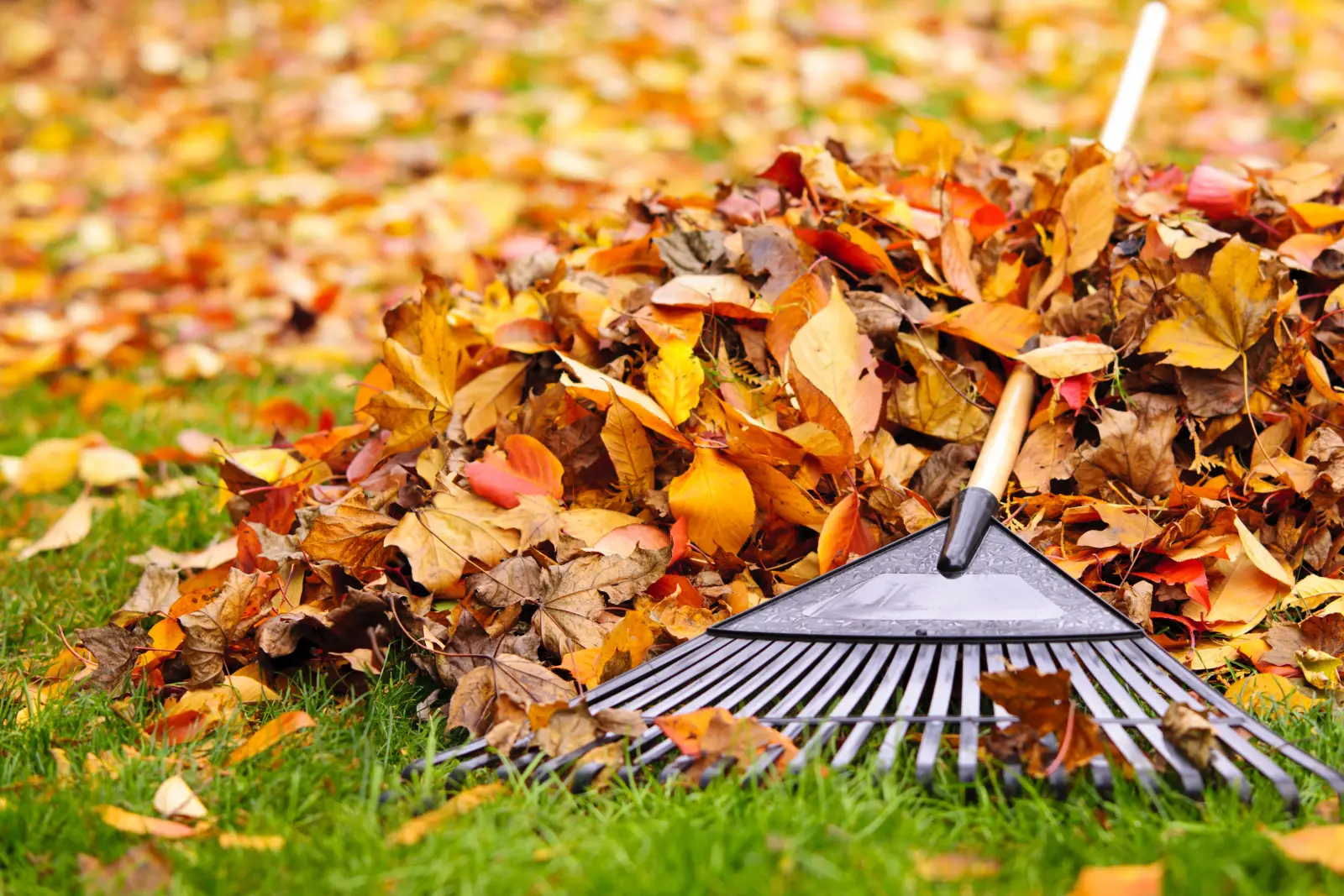
- Leaf removal. Do not let leaves mat down and smother the lawn — schedule regular leaf removal or a fall cleanup.
- Soil testing and lime. Fall is the ideal time to test soil and apply lime to correct the acidic pH common in NC clay.
- Adjust irrigation. Reduce watering as temperatures cool and growth slows.
- Winterize irrigation. Schedule a blowout before the first hard freeze.
The Payoff Comes in Spring
The homeowners with the best-looking lawns in April are almost always the ones who did the work in October. A thick, well-fed, aerated lawn crowds out weeds, resists summer stress, and needs less rescue work later. It is the highest-return season in the entire lawn care calendar.
Let Us Handle the Timing
Our membership plans build every one of these fall services into the right schedule for your grass type — no guesswork about dates or products. Call 919-478-1852 or request a free quote. We serve Sanford, Pittsboro, Lillington, and communities across Lee, Moore, Harnett, and Chatham counties.

Ready to get started?
Request a free quote and let our team take care of your property.